Region and Vineyards
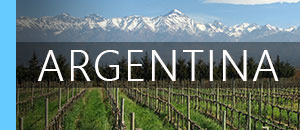
Nicolás Catena Zapata 2020 is rooted in Mendoza, Argentina's leading fine-wine region on the eastern flank of the Andes. Here, vineyards sit at notably high altitudes, benefiting from intense sunlight, cool nights and low humidity, which together produce grapes with excellent ripeness yet vibrant natural acidity. The 2020 blend draws on estate vineyards in both Luján de Cuyo and the Uco Valley, areas now recognised as reference points for world-class Cabernet- and Malbec-based wines.
The fruit comes from La Pirámide, Domingo, Adrianna and Nicasia vineyards, all planted on sandy-loam soils with excellent drainage between roughly 950 and 1,450 metres above sea level. Yields are kept very low, around 1.2 tons per acre, with vertical shoot positioning and meticulous canopy work to protect berries from fierce Andean sunshine while preserving aromatic finesse. These ungrafted, massale-selected vines, many descended from pre-phylloxera material, contribute not only concentration but also a distinctive saline, stony character that has become a hallmark of Catena's top reds.
Winemaking
The 2020 Nicolás Catena Zapata is composed of approximately 54% Cabernet Sauvignon, 25% Cabernet Franc and 21% Malbec, a historically inspired Bordeaux-style blend in which, unusually, Cabernet Franc slightly overtakes Malbec to bring aromatic lift and freshness in this warm, dry vintage. Grapes are hand-harvested by parcel between March and April, with strict selection in the vineyard and again at the winery. Fermentation takes place in vertical open barriques and small stainless-steel tanks at 26-30 °C over about 20 days, with manual punch-downs and extended maceration of 25-35 days to build texture and extract fine-grained tannins.
After malolactic fermentation, the wine is aged for around 18 months in French oak barrels, predominantly new, followed by an additional period of bottle maturation before release. This careful élevage frames the fruit without overwhelming it, adding hints of cedar, cocoa and sweet spice while preserving the wine's Andean freshness and mineral edge. The moderate alcohol level, around 13.9% abv, together with the elevated proportion of Cabernet Franc, gives a poised, classical profile, designed for long-term cellaring as much as for immediate pleasure.
Tasting Notes
- Color: Deep, opaque purple with bluish reflections at the rim; the glass stains with slow, fine tears, signalling high concentration and extract.
- Aroma: Intense blackberries, black cherries and black plum, layered with cassis, crushed stone, graphite and a discreet saline note, then evolving towards vanilla, dark chocolate, green olive, tobacco leaf, eucalyptus and black pepper.
- Palate: Medium to full-bodied yet supremely elegant, with a cool, juicy core of black and red currant, blackberry and plum wrapped in ultra-fine, chalky tannins. Savoury notes of bay leaf, graphite, espresso and baking spice add complexity. The acidity is bright and mouth-watering, carrying a long, minty, mineral finish that feels both powerful and refined, with clear potential to gain further nuance over 10-20 years.
Did you know?
With its inaugural 1997 vintage, Nicolás Catena Zapata became the first Argentine luxury cuvée to be widely exported, famously winning blind tastings against First Growth Bordeaux and other elite cuvées. The wine was conceived to "recreate" the historic Bordeaux blends of the 18th and 19th centuries, when Malbec stood alongside Cabernet Sauvignon as a key Médoc variety. Today, the cuvée still relies on ungrafted, massale-selected vines in high-altitude vineyards such as Adrianna and Nicasia, making it not only a flagship for Catena Zapata but also a symbol of Argentina's ascent into the top tier of global fine wine.
Wine Pairing Ideas
- Grilled ribeye with chimichurri: The wine's concentrated black fruit and firm tannins stand up beautifully to the marbled richness of a bone-in ribeye, while its herbal and peppery notes echo the freshness of chimichurri.
- Roast lamb with rosemary and black olives: Cabernet's savoury, leafy tones and Malbec's dark fruit complement the sweetness of roast lamb, with the wine's saline, stony character matching the briny depth of olives.
- Duck breast with blackberry and spice glaze: The wine's acidity cuts through the richness of duck, while its blackberry, cassis and subtle cocoa notes resonate with a fruity, gently spiced sauce.
- Aged hard cheeses (Comté, Manchego curado): Extended élevage and complexity make this vintage an excellent partner for nutty, mature cheeses, where tannins soften and the wine's mineral and savoury layers come to the fore.