Region and Vineyards
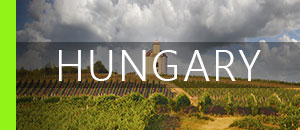
Tokaj is one of the world's great historic sweet-wine regions, its reputation built over more than four centuries on the singular marriage of noble rot, acidity and volcanic terroir. In north-eastern Hungary, the vineyards sit within a mountainous landscape where autumnal humidity, followed by sun and wind, can encourage the development of Botrytis cinerea on ripe grapes, concentrating sugars, acids and flavour compounds. Oremus lies at the geographical centre of the region, and the 2016 vintage benefited from a long cold winter, a dry spring, and an autumn that combined early ripening with rainfall that helped generate excellent Aszú berry quality.
For this cuvée, the estate reports an average vineyard age of 19 years across 98 hectares, planted at 5,660 vines per hectare around 200 metres above sea level. Yields were extremely low, just 200 to 500 kilograms per hectare, underlining the concentration expected in serious Aszú. Tokaj's soils, described by Oremus as volcanic in origin, are central to the wine's tension and longevity, giving shape to the sweetness rather than allowing it to feel opulent or diffuse.
Winemaking
This wine is made from Furmint, Hárslevelű, Zéta and Sárga Muskotály, a classic Tokaji blend in which Furmint provides the structural spine of acidity, Hárslevelű lends breadth and fragrance, Zéta contributes its aptitude for noble rot, and Sárga Muskotály can bring aromatic lift. The estate still works according to the traditional puttonyos logic: for a 5 Puttonyos Aszú, individually harvested botrytised berries are added to the base must, then macerated for 12 to 24 hours until they swell before pressing.
Fermentation takes place in new Hungarian oak barrels and proceeds slowly, taking up to a month according to the 2016 technical sheet. The wine is then matured in small 136- and 200-litre barrels for 2 to 3 years, followed by a further 2 to 3 years in bottle before release. This long élevage is essential to the style: it softens the wine's immense sweetness, deepens its saffroned, honeyed complexity, and preserves the remarkable acid line that makes top Tokaji Aszú so enduring. The 2016 analytical profile lists 11.5% alcohol, 160 g/l residual sugar and 10.2 g/l acidity.
Tasting Notes
- Color: Deep yellow to amber, with the estate noting that the 2016's amber tone reflects a high level of noble rot in the harvest.
- Aroma: Expressive and layered, showing honey, pineapple, dried apricot, orange blossom and marmalade, with nuances of sweet spice, rose petal and a gentle nutty complexity. These aromas align both with the producer's honeyed, fruity profile and Wine Enthusiast's detailed tasting note.
- Palate: Lusciously textured and mouthcoating, yet never cloying, thanks to vibrant acidity. Expect flavours of apricot tart, honeycomb, orange marmalade, almond paste and soft baking spice, finishing long, polished and ageworthy.
Did you know?
The grape Zéta, one of the permitted varieties in Tokaji blends and included in this wine, was formerly known as Oremus until it was renamed in 1999 to avoid confusion with the famous Oremus vineyard. It is especially valued in Tokaj for its early ripening, high sugar accumulation and strong suitability for botrytised sweet wines.
Wine Pairing Ideas
- Roquefort or Stilton: The wine's sweetness cushions the salt and pungency of blue cheese, while its acidity keeps the pairing lifted rather than heavy.
- Foie gras: A classic Tokaji match, where the wine's honeyed richness and freshness echo the luxurious texture of the dish while cleansing the palate.
- Apricot tart: The apricot, marmalade and honey notes in the wine mirror the dessert beautifully, creating a seamless, fruit-led pairing.
- Roast duck with orange glaze: The wine's sweet citrus and spice profile can work superbly with savoury dishes that carry a gentle fruit accent and rich texture. This is an informed pairing suggestion based on the wine's verified flavour profile.