Region and Vineyards
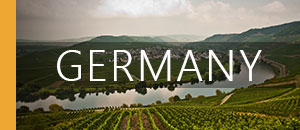
Schloss Johannisberg lies in the Rheingau, where the Rhine turns west and creates a sheltered corridor for vines. Its historic 50-hectare single vineyard surrounds the castle on south-facing terraces descending toward the river. This exposure captures generous light while the river's moderating influence helps preserve Riesling's aromatic precision. The site is planted entirely to Riesling for the Gelblack bottling, the estate's yellow-label dry wine.
The vineyard's soils combine Taunus quartzite, fertile loam and loess, with a little iron oxide adding further geological character. The 2024 growing season brought a wet spring and summer, early budburst followed by April frosts, a warm August and rain during the late-September harvest. Careful selection in the vineyard retained healthy fruit, vivid acidity and the cool, lifted profile associated with this Rheingau estate.
Winemaking
Gelblack Riesling Trocken 2024 is made from 100% Riesling harvested by hand in selective passes. The grapes were gently pressed to preserve purity and aromatic detail, allowing the vineyard's peach, apricot and herbal nuances to remain vivid in the finished wine.
Fermentation took place in two complementary vessel types: 80% in stainless steel and 20% in 1,200-litre oak casks made from trees grown on the estate. The wine reaches 12.5% alcohol, with 8.2 g/L residual sugar and 6.8 g/L total acidity. Although the fruit has a gentle roundness, the wine is classified trocken and tastes distinctly dry, with brisk acidity carrying the finish.
Tasting Notes
- Color: Bright pale gold with youthful green highlights.
- Aroma: Vineyard peach, apricot, yellow apple, lemon, rosemary, cool mint and delicate white flowers.
- Palate: Dry and vivacious, combining lively acidity with subtle fruit weight, citrus energy and a precise, refreshing grapefruit-herbal finish.
Did You Know?
Schloss Johannisberg's history is closely linked with Riesling. Benedictine monks planted vines on the site around 1100, and the estate later became so synonymous with the variety that "Johannisberg Riesling" was once used as a name for German Riesling itself. A longstanding legend also associates the estate with the discovery of noble-rot wines.
Wine Pairing Ideas
- Grilled sea bass: The wine's citrus freshness and brisk acidity lift delicate fish while echoing its clean, mineral flavors.
- Roast guinea fowl: Peach and yellow-apple fruit provide a gentle counterpoint to the bird's savory roasted character.
- Herbed lemon pasta: Rosemary, mint and grapefruit notes complement fresh herbs, lemon zest and creamy textures.
- Tabbouleh with mint and vegetables: Its lively acidity refreshes the palate and matches the dish's herbs, grains and bright vegetable flavors.